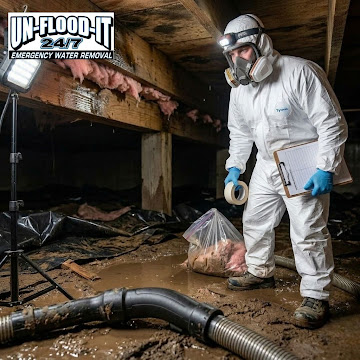
Restoring Safety and Health After a Biohazard Crisis
When a sewage backup or a biohazard situation occurs, the immediate reaction is often one of panic and confusion. These events are not just messy; they represent significant health risks and structural threats to your property. Managing the aftermath requires more than just a mop and bucket. It demands professional intervention to ensure that every trace of contamination is eliminated and the environment is rendered safe for habitation again. Understanding the complexities of sewage and biohazard cleanup is the first step in protecting your family, employees, and property.
The Hidden Dangers of Sewage Backups
A sewage leak is one of the most severe plumbing emergencies a property owner can face. Unlike a standard water leak from a clean pipe, sewage is classified as black water. This means it is highly contaminated with pathogens, bacteria, and viruses that can cause serious illnesses such as E. coli, Hepatitis A, and Salmonella.
Beyond the biological threats, the moisture introduced by a backup creates a breeding ground for mold. If not addressed within 24 to 48 hours, mold colonies can begin to form behind walls and under flooring, leading to long-term air quality issues. Professional remediation focuses on more than just removing the standing water; it involves deep sanitization and professional-grade drying to prevent secondary damage.
Professional Biohazard Remediation Services
Biohazard cleanup encompasses a wide range of sensitive situations, including trauma scene cleaning, chemical spills, and unattended death remediation. These scenarios involve materials that are hazardous to human health, such as bloodborne pathogens and toxic chemicals.
Standard cleaning companies are often not equipped to handle these tasks. Specialized biohazard teams use industrial-strength disinfectants and follow strict protocols to ensure the area is decontaminated. The goal is to return the property to a pre-incident state, ensuring that no microscopic threats remain. This process is essential for maintaining the safety of the building’s occupants and fulfilling legal and health regulations.
Why Local Expertise Matters
Choosing a local service provider for biohazard and sewage emergencies is crucial for a rapid response. Time is the most critical factor in mitigating damage. A local team understands the specific challenges of the area, including local waste disposal regulations and common architectural styles that may influence how a cleanup is performed.
For residents and business owners looking for reliable restoration, Unflood It provides comprehensive solutions to manage even the most difficult cleanup tasks. Their expertise ensures that the heavy lifting is handled with care, precision, and a focus on total decontamination.
We proudly serve the following local areas: Pittsburgh Tarentum Cranberry Township Allison Park Gibsonia Natrona Heights New Kensington Freeport Leechburg Sarver
The Step by Step Recovery Process
The restoration process begins with a thorough assessment of the affected area. Specialists identify the source of the contamination and categorize the water or biohazard level. Once the area is secured, the extraction of hazardous materials begins.
Following extraction, the focus shifts to cleaning and sanitizing. This involves using EPA-approved antimicrobial treatments to kill bacteria and viruses on contact. The final stage is deodorization and structural drying. Using high-powered air movers and dehumidifiers, professionals ensure that moisture levels are returned to normal, preventing the risk of future mold growth and preserving the integrity of the building materials.
Frequently Asked Questions
What is the safest way to handle sewage cleanup? It is strongly recommended to avoid DIY sewage cleanup. Black water contains dangerous pathogens that require specialized personal protective equipment and industrial-grade disinfectants to neutralize safely.
How long does the biohazard cleanup process take? The duration depends on the severity of the contamination and the size of the area. Most residential cleanups can be completed within 24 to 72 hours, though more extensive commercial projects may take longer.
Does homeowners insurance cover sewage and biohazard cleanup? Many insurance policies do cover these services, especially if the cause was sudden and accidental. It is best to consult with your insurance provider and a restoration professional who can help document the damage for your claim.
What should I do immediately after a sewage backup? The first step is to evacuate the area and avoid contact with the water. Turn off your HVAC system to prevent the spread of airborne contaminants and call a professional remediation service immediately.
Can items like carpets and furniture be saved after a biohazard event? Porous materials such as carpets, padding, and upholstered furniture that have been saturated with sewage or biohazards usually cannot be safely cleaned and must be disposed of properly. Non-porous surfaces like tile and metal can typically be sanitized and salvaged.
