Professional Guide to Restoring Your Home After a Sewage Backup
Professional Guide to Restoring Your Home After a Sewage Backup
Dealing with a sewage backup is one of the most challenging situations a homeowner can face. Beyond the obvious odor and mess, sewage overflows introduce significant health risks and potential structural damage to your property. Understanding the professional process of sewage cleanup can help you take the right steps to protect your family and restore your home to a safe, sanitary condition.
When a sewer line fails or a heavy storm causes a backup, the water entering your home is classified as Category 3 water, often referred to as black water. This liquid contains high levels of bacteria, viruses, and other pathogens that can cause serious illness if not handled with professional-grade equipment and specialized cleaning agents. Taking immediate action is the key to preventing long-term mold growth and permanent damage to your flooring and walls.
Why Professional Sewage Cleanup is Essential
While many home repairs can be handled as DIY projects, sewage remediation is not one of them. Professional restoration teams utilize industrial-strength air movers, dehumidifiers, and EPA-approved antimicrobial treatments that are unavailable to the general public.
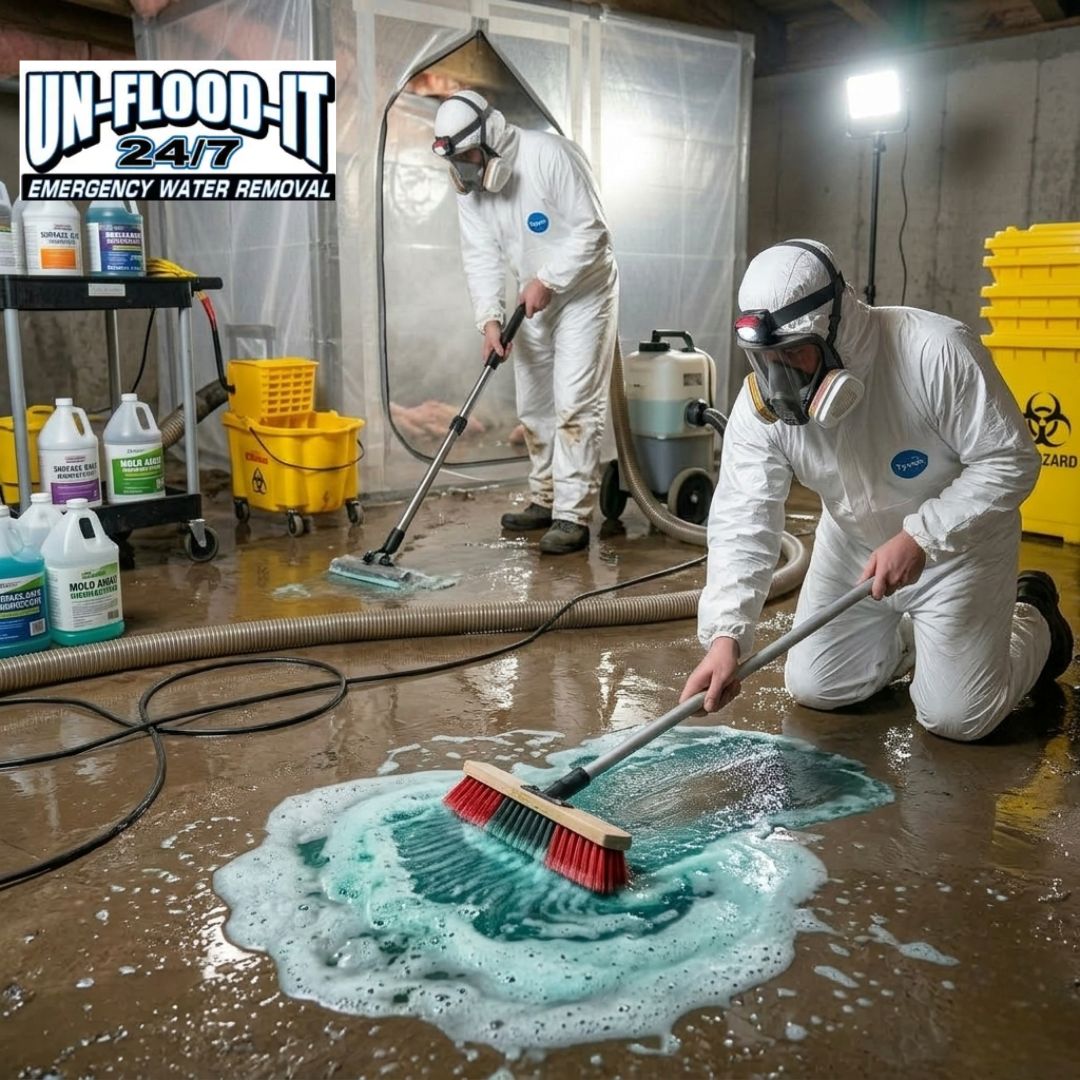
The first priority in any cleanup scenario is safety. Experts wear full personal protective equipment to prevent skin contact and the inhalation of airborne contaminants. Once the area is secured, the extraction process begins. Specialized vacuums and pumps remove the standing water and solid waste, followed by the removal of porous materials like carpets, padding, and drywall that cannot be fully decontaminated.
Comprehensive Sanitization and Odor Control
After the bulk of the waste is removed, the focus shifts to sanitization. This is where the real work happens. Every affected surface must be treated with disinfectants to kill lingering pathogens. If this step is skipped or performed poorly, the risk of mold colonies forming behind walls increases exponentially.
Furthermore, lingering odors are a common concern. Professional restoration services use hydroxyl generators or ozone machines to neutralize odor molecules at the source rather than simply masking them with scents. This ensures that your home smells fresh and is truly clean from a microscopic perspective.
Local Service Areas
We are proud to provide rapid response sewage cleanup and water damage restoration services to homeowners and businesses throughout the following regions:
Partnering with Experts for Peace of Mind
Navigating insurance claims and restoration timelines can be overwhelming during a crisis. By working with a dedicated restoration partner, you ensure that the job is done right the first time. For more information on how to handle water-related emergencies and to see a full list of restoration solutions, you can visit unfloodit.com for expert guidance and support.
Frequently Asked Questions
What should I do immediately after a sewage backup occurs?
First, ensure everyone stays away from the affected area to avoid health risks. Turn off your HVAC system to prevent the spread of airborne contaminants and call a professional restoration service immediately. Do not attempt to clean the mess with a standard vacuum or household mop.
How long does the sewage cleanup process typically take?
The duration depends on the extent of the damage, but most professional cleanups take between three to five days. This includes the time needed for extraction, sanitization, and the industrial drying process to ensure no moisture remains in the subflooring or wall studs.
Is sewage damage covered by standard homeowners insurance?
Many standard policies require a specific rider or endorsement for sewer backup coverage. It is important to review your policy details with your agent. A professional restoration company can often assist you by providing the necessary documentation and photos required by your insurance adjuster.
Can I save my carpets after a sewage leak?
In almost all cases involving Category 3 black water, carpets and padding must be removed and discarded. Because these materials are highly porous, it is nearly impossible to guarantee that every pathogen has been removed from the fibers and the backing.
How do professionals ensure the smell is gone for good?
Professionals use a combination of deep structural drying and advanced deodorization technology. By removing the source of the odor and using air scrubbers to clean the environment, the musty and unpleasant smells are eliminated rather than covered up.
