Professional Water Damage Cleanup and Property Restoration Strategies
The moment water enters your home through a burst pipe, a failing water heater, or a natural storm, a chemical clock begins to tick. Within minutes, moisture spreads to absorbent materials like drywall, upholstery, and carpeting. Within hours, wooden furniture begins to swell and disintegrate. Within forty eight hours, mold spores can colonize, turning a manageable repair into a hazardous environmental issue. This is why immediate emergency water extraction is not just a recommendation but a necessity for any property owner looking to mitigate long term financial loss.
The Importance of Scientific Drying Techniques
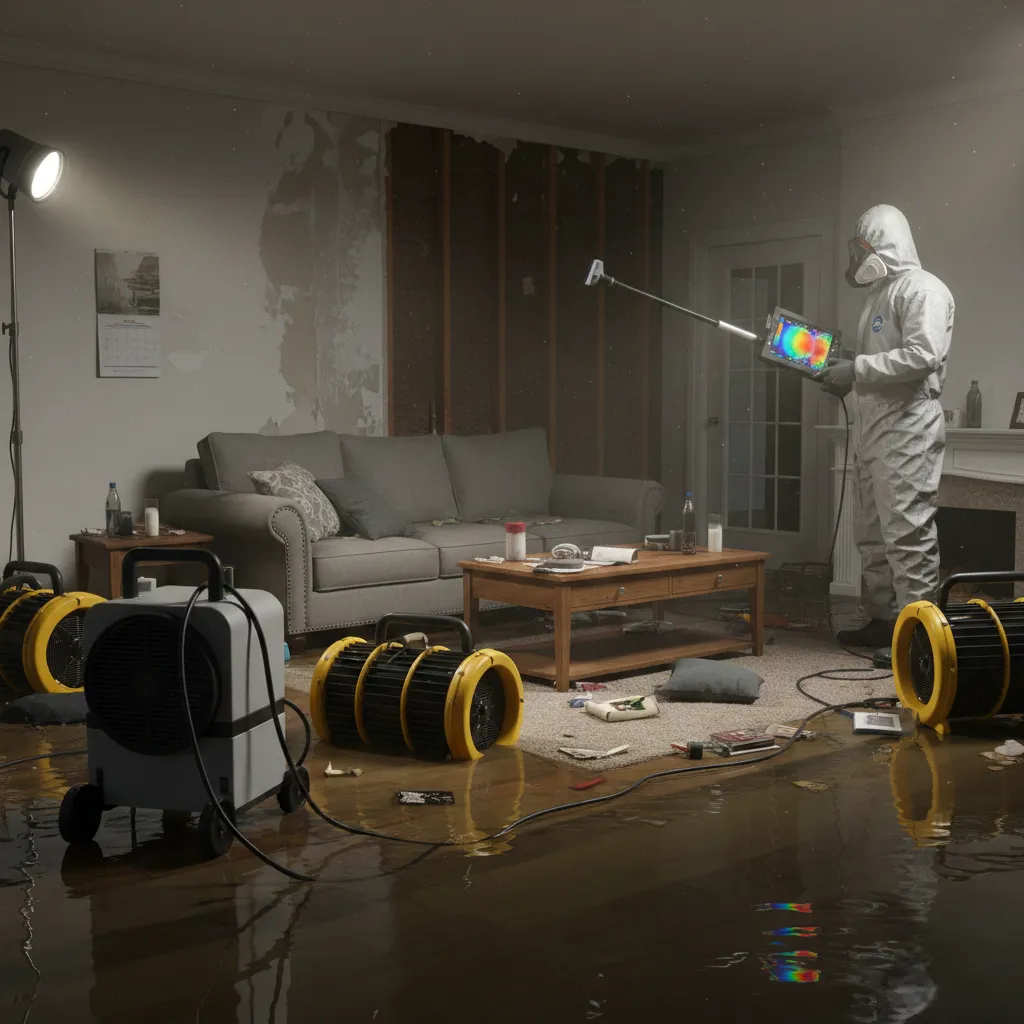
Many homeowners make the mistake of assuming that once the floors feel dry to the touch, the danger has passed. However, water is invasive. It travels through capillary action, climbing up the backside of baseboards and soaking into the structural wall studs. Professional water damage cleanup utilizes specialized technology to find what the human eye cannot see. Infrared cameras and moisture probes allow technicians to map the moisture map of a room, identifying pockets of trapped humidity that would otherwise lead to structural rot or silent mold growth behind the scenes.
Effective structural drying involves a balanced formula of airflow, temperature, and dehumidification. Simply opening windows or using household fans is rarely enough to pull deep seated moisture from dense materials like subflooring or hardwood. Industrial grade centrifugal air movers are positioned to create a vortex of air across surfaces, while LGR dehumidifiers strip the moisture from the air, preventing secondary damage to electronics, artwork, and upper level ceilings.
Mitigating Health Risks and Secondary Damage
The health implications of stagnant water cannot be overstated. Depending on the source, water is categorized into three levels of contamination. Category 1 is clean water from a broken supply line. Category 2, or gray water, contains significant contamination from appliances like dishwashers or washing machines. Category 3, known as black water, is highly unsanitary and contains pathogenic agents from sewage backups or river flooding.
Engaging in professional flood remediation ensures that the correct sanitization protocols are followed. This includes the application of EPA registered antimicrobial treatments that kill bacteria on contact without damaging the integrity of your home’s surfaces. Without these professional grade biocides, the organic materials in your home like the paper facing on drywall become a primary food source for fungal growth, leading to poor indoor air quality and potential respiratory issues for the inhabitants.
Restoration and Long Term Asset Protection
The ultimate goal of any water damage restoration project is to return the property to its pre loss condition as efficiently as possible. By addressing the crisis with a high level water damage cleanup strategy, you significantly reduce the scope of work required for the final rebuild. When drying is handled correctly in the first window of opportunity, you can often save expensive hardwood floors, cabinetry, and structural elements that would otherwise need to be torn out and replaced.
Choosing a rapid response team means you are investing in the longevity of your real estate. From the initial vacuuming of standing water to the final moisture clearance test, every step is designed to stabilize the environment and provide peace of mind. Protecting your home requires a blend of advanced machinery and technical expertise to ensure that when the job is done, your home is truly dry, safe, and restored.
